
Towards a citizen-based inventory and monitoring of planetary plankton
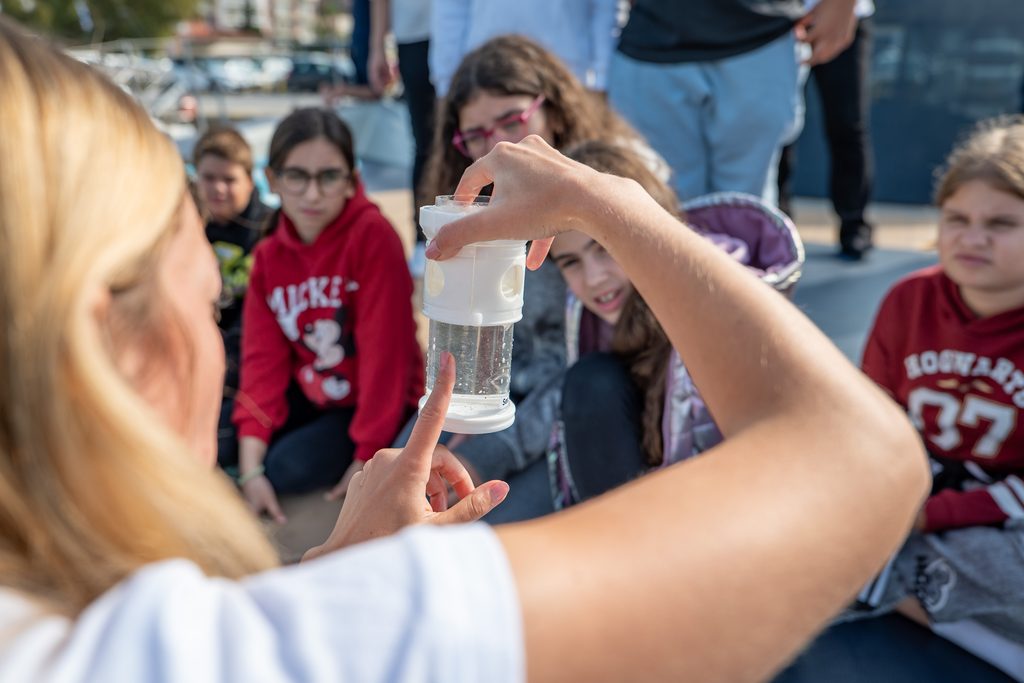
Photo credits: ®Maéva Bardy – Explorations de Monaco
Living Water, a shared vision
Water, whether fresh or salt, is first and foremost alive. Every liter of water on the planet contains billions of living organisms and hundreds to thousands of species, which together regulate the functioning and health of aquatic ecosystems, determine the production of macroscopic organisms (fish, mollusks, mammals, etc.), and harbor a wealth of molecules and genes whose functions are still unknown.
Through its Living Water initiative, the Plankton Planet consortium aims to engage citizens in encountering, exploring, and measuring this breathtaking biodiversity, which forms the heart, lungs, and circulatory system of the biosphere, and which spreads and evolves across planetary spatial and temporal scales!
How does Living Water work?
We have created a kit for observing the aquatic microbiome, with the Curiosity microscope as its central component: a small, digital field microscope with exceptional optical quality, developed as part of the Plankton Planet program. The kit is used in “Living Water” workshops, in which citizens, primarily children and sailors, learn to collect, photograph, and film aquatic microorganisms. In doing so, they become planktonauts! An app then standardizes the images of planktonic microorganisms and automatically transfers them to a P2 project on the web platform iNaturalist, where artificial intelligence provides taxonomic identification of the shared images and maps them across planetary space and time. The international community of plankton taxonomic experts is then invited to correct any identification errors, enabling the creation of a planetary plankton atlas.
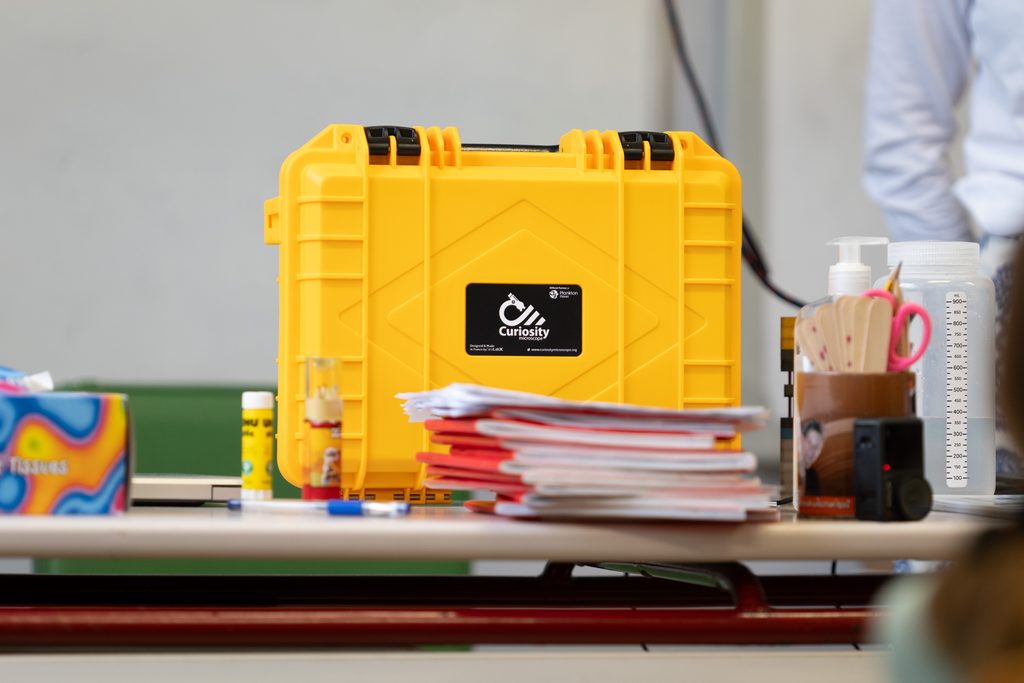
Photo credits: ®Maéva Bardy – Explorations de Monaco
We have begun rolling out the “Living Water” workshops in several programs: the Planktonauts of Île-de-France (Paris Basin), PlanktoMed (Mediterranean Sea), and Mission Bougainville (French overseas territories). Each time, we have witnessed the extraordinary emotion sparked by a personal encounter with living water, and the desire to explore that follows.
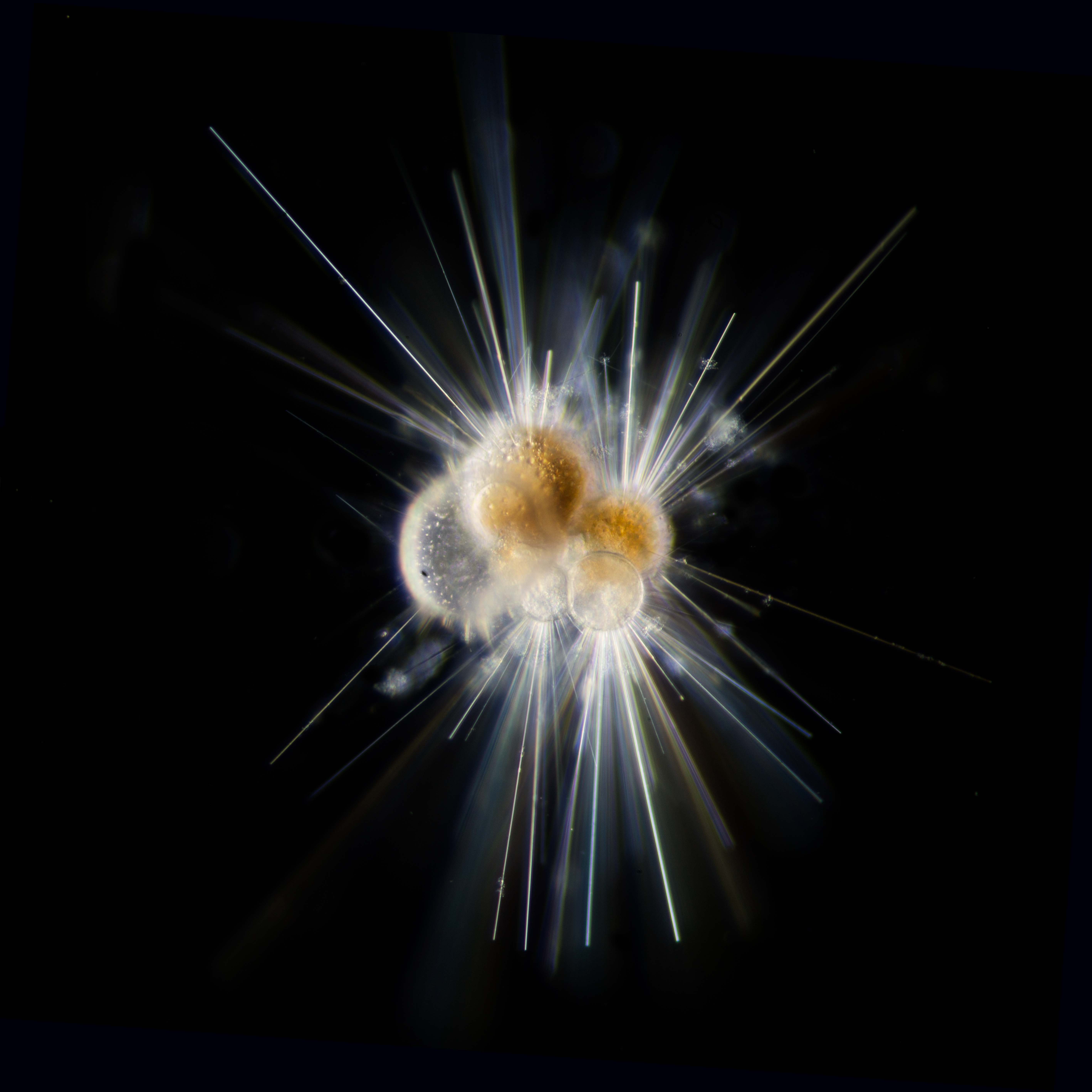
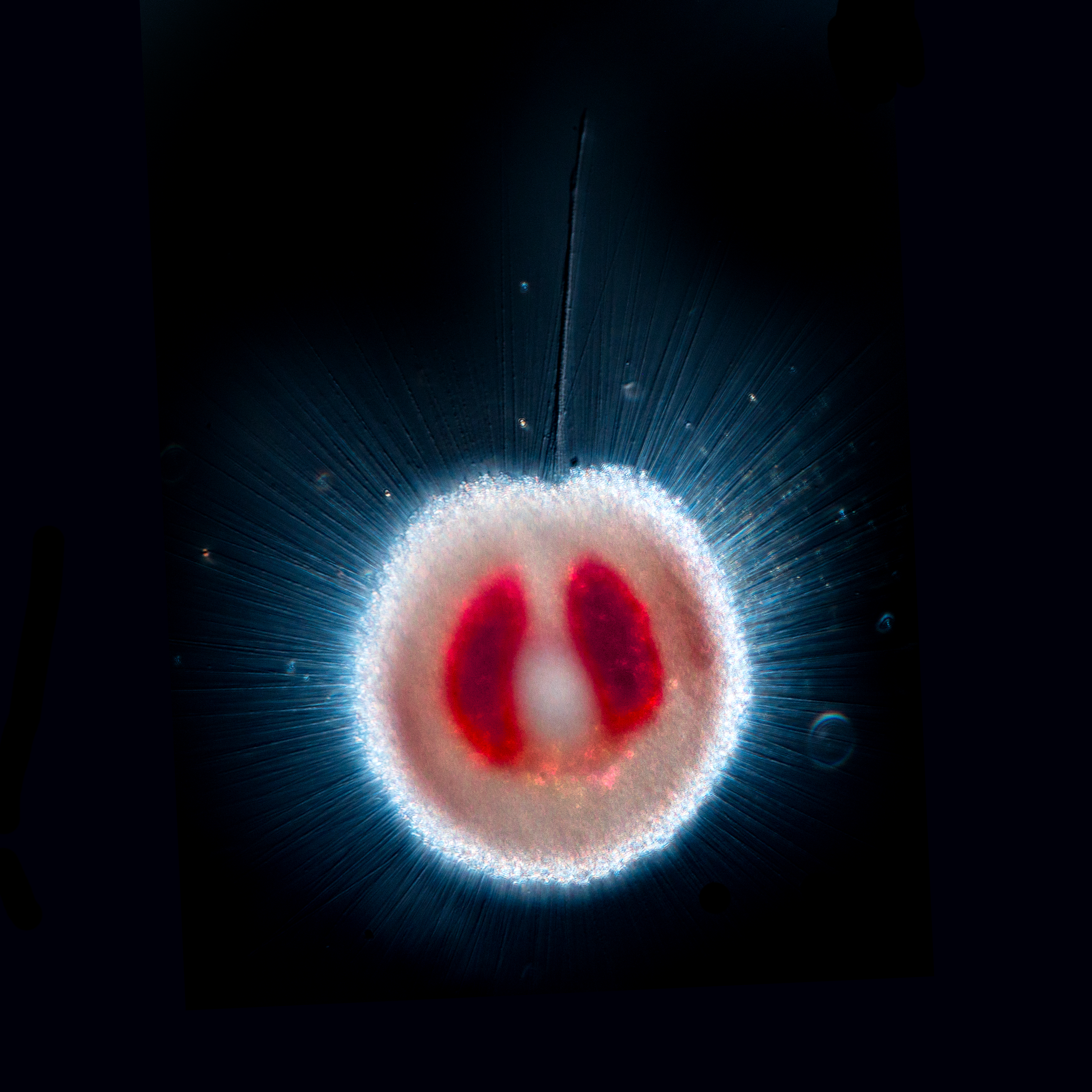
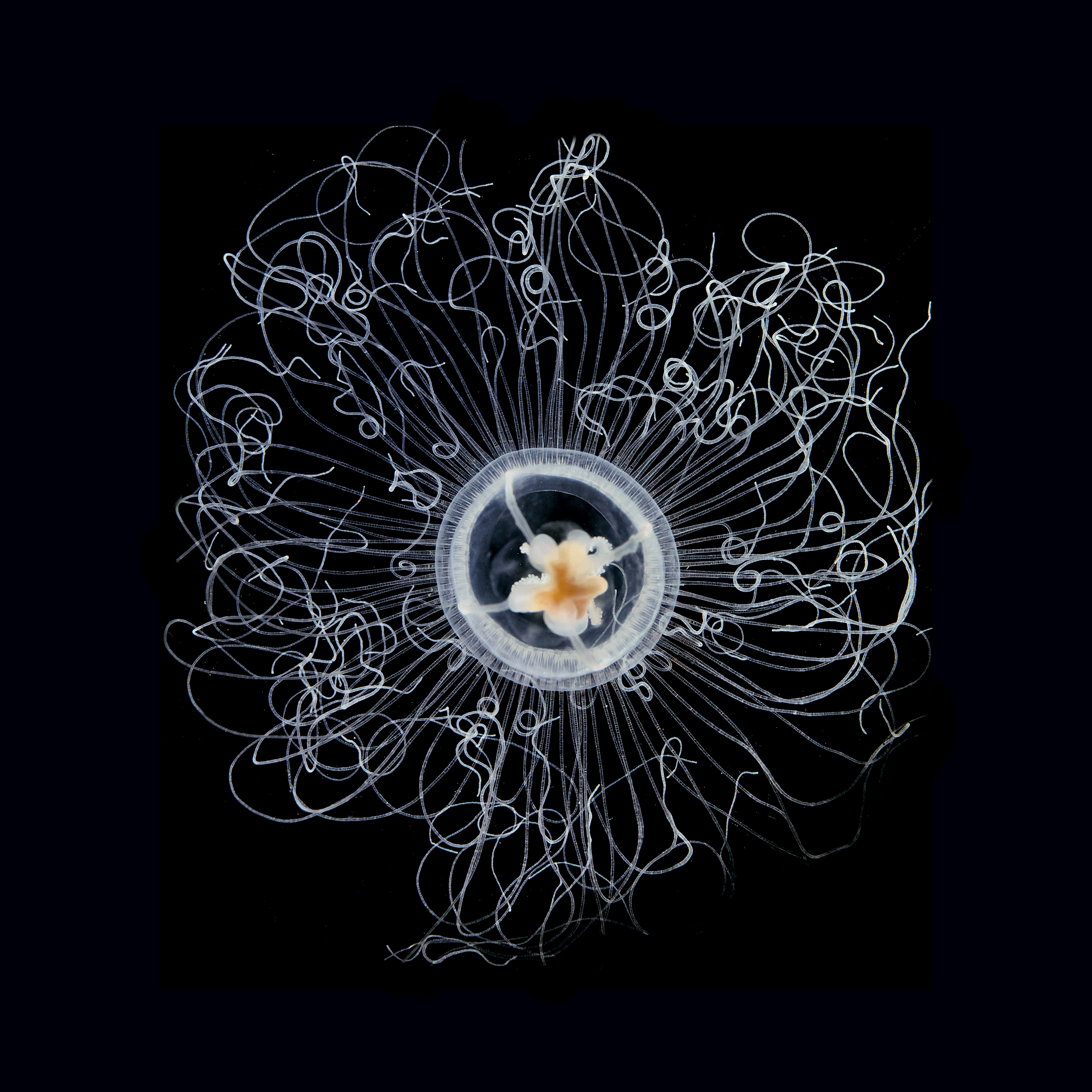
Photo credits: Christian Sardet and Noé Sardet
Living Water_Explorers
In our new program, Living Water_Explorers, classes learn Curiosityscopy alongside a crew of offshore sailors, together becoming planktonauts. The children measure the health of freshwater and coastal ecosystems in their local environment, while the sailors set out to discover species of the open ocean. During their voyage, the sailors teach Curiosityscopy to schoolchildren on the other side of the oceans, creating a powerful link between classrooms around the world.
By sharing their observations in the Plankton Planet project on iNaturalist, they contribute to the inventory and understanding of the aquatic microbiome in a rapidly changing world.
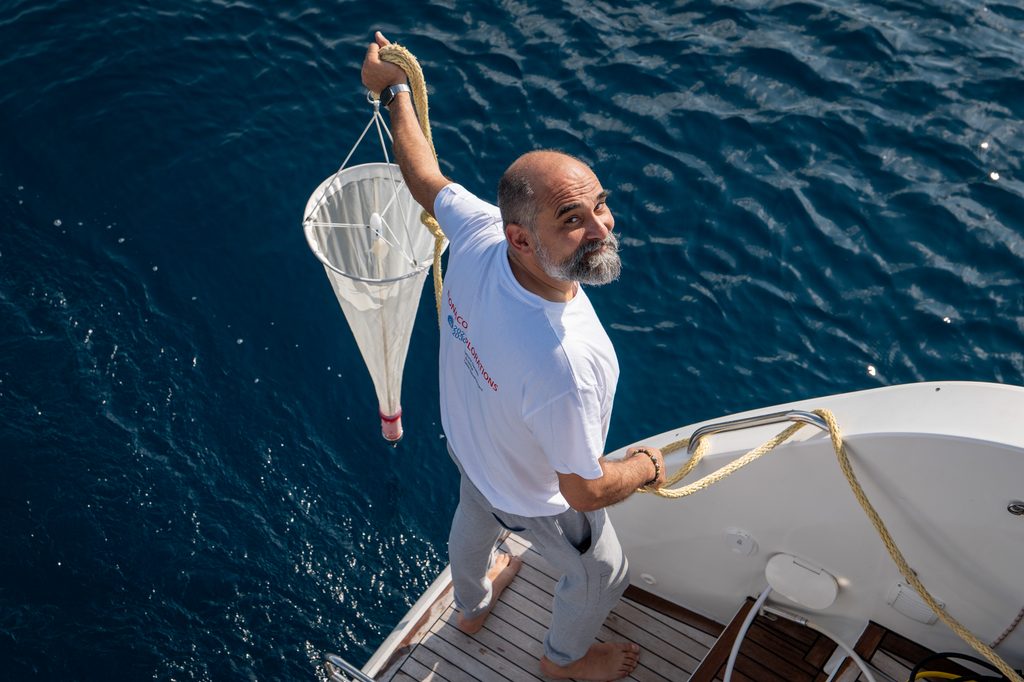
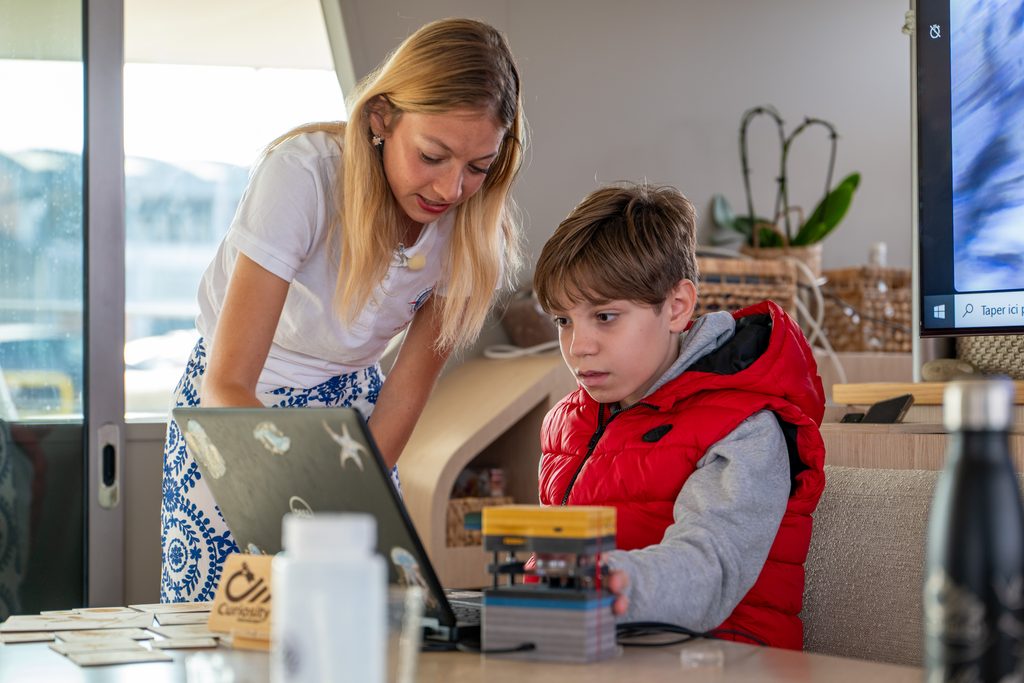
Photo credits: ®Maéva Bardy – Explorations de Monaco